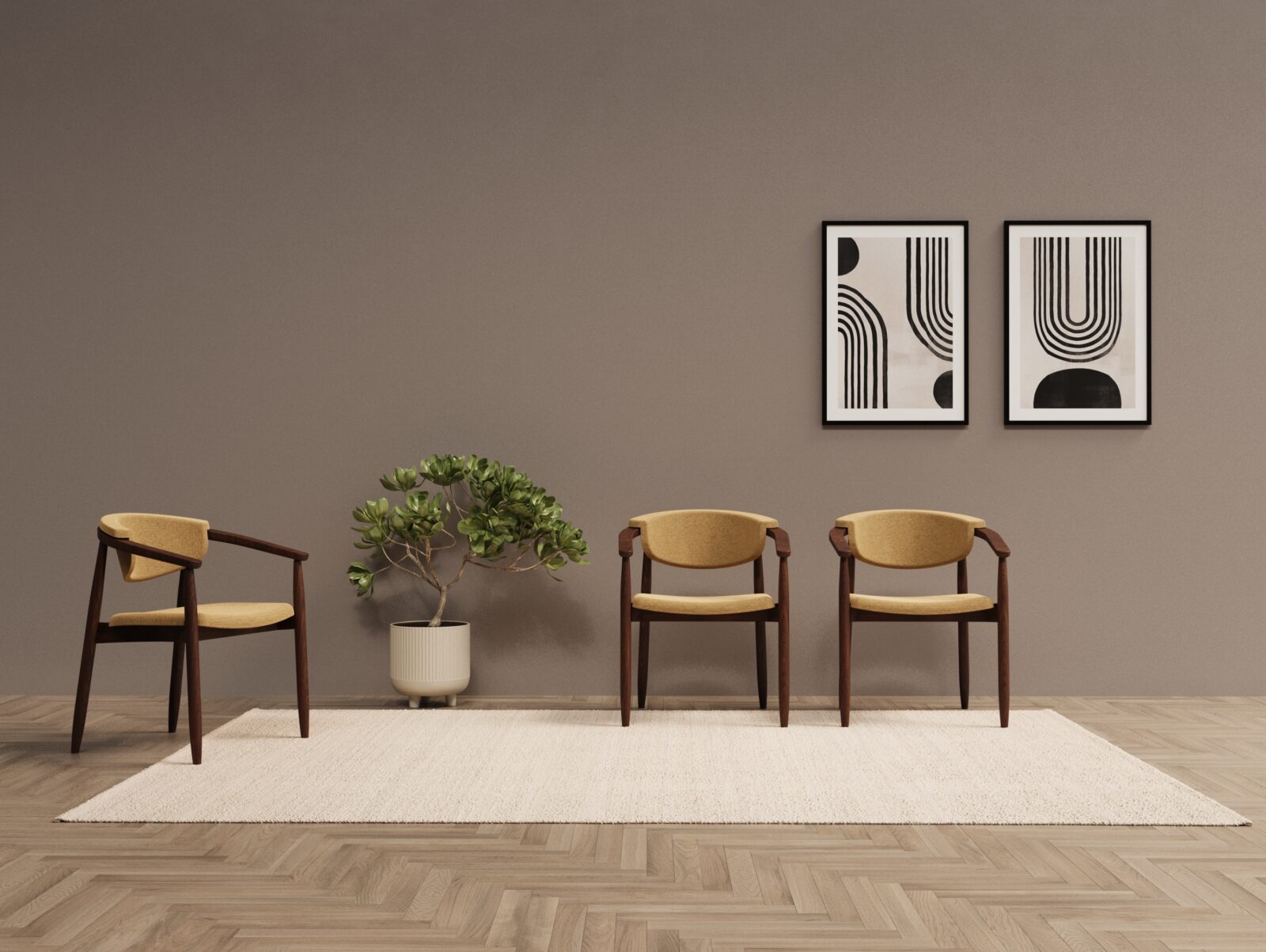
Waiting-Area Design for Hospitals
March 24, 2026The answer lies in strategic planning that treats waiting areas as active stages of the care experience rather than neutral holding zones.
In this article, you will learn:
- How to design hospital waiting areas that reduce anxiety and support patient comfort through thoughtful environmental design
- What contract-grade furniture features matter most in healthcare settings, including durability, weight capacity, and infection-control materials
- How to plan layouts that support diverse patient needs, from quiet zones and family seating to accessible circulation paths
- Which materials and upholstery types support effective cleaning and infection prevention in high-traffic medical environments
- How lighting, color palettes, acoustics, and biophilic elements improve the overall patient waiting experience
Why Waiting Room Design Matters More Than Ever
Hospital waiting areas have undergone a fundamental shift in recent years. What once served as simple rows of seating now requires the same thoughtful consideration as clinical spaces. Research consistently links environmental design to measurable patient outcomes, from reduced anxiety and improved mood regulation to better overall satisfaction with care.
A 2024 review published in Frontiers in Built Environment found strong associations between sensory comfort, including lighting quality, acoustic control, and warmer color palettes, and lower cognitive fatigue among both patients and care teams. These elements are no longer optional enhancements. They’re foundational planning considerations.
The average patient spends roughly 20 minutes in a hospital waiting area. That’s enough time to form lasting impressions about your facility’s commitment to care. When waiting spaces reflect comfort, anxiety softens and trust grows.
Furniture Selection: Beyond Aesthetics to Performance
Selecting contract-grade furniture for hospital waiting areas requires balancing competing demands. Pieces must deliver comfort without sacrificing durability, support infection control protocols, and accommodate patients with varying mobility levels and body types.
Durability Standards for High-Traffic Environments
Hospital furniture undergoes relentless use. Seating must withstand weight capacities of 250 to 400 pounds repeatedly without showing signs of failure. Frame construction, joint reinforcement, and finish quality directly impact how long pieces maintain their intended appearance and function.
| Performance Criteria | Healthcare Standard | Why It Matters |
|---|---|---|
| Weight Capacity | 250-400 lbs per seat | Accommodates diverse body types and prevents structural failure |
| Frame Construction | Hardwood or reinforced steel | Withstands constant daily use without loosening joints |
| Finish Durability | Hospital-grade disinfectant resistance | Maintains appearance through repeated cleaning cycles |
| Hardware Quality | Commercial-grade fasteners | Prevents wobbling and extends product lifespan |
| Upholstery Seams | Double-stitched or welded | Reduces premature wear and maintains infection control integrity |
Cleanability and Infection Control
Infection prevention depends heavily on surface materials. Nonporous upholstery, such as vinyl, polyurethane, or coated textiles, allows for thorough disinfection between patients. These materials prevent moisture absorption that can harbor pathogens, making them essential for healthcare applications.
Clean-out gaps behind seat backs improve access for maintenance staff and reduce hidden areas where debris accumulates. Furniture with minimal crevices and fully sealed edges supports faster, more effective cleaning protocols.
| Material Type | Cleanability | Infection Control | Best Application |
|---|---|---|---|
| Vinyl Upholstery | Excellent – nonporous, wipes clean | High – prevents pathogen absorption | High-traffic areas, ER waiting rooms |
| Polyurethane Coated Fabric | Excellent – fluid-resistant barrier | High – antimicrobial options available | General waiting areas, exam room seating |
| Standard Woven Fabric | Poor – absorbs fluids and contaminants | Low – difficult to fully disinfect | Not recommended for healthcare |
| Powder-Coated Metal Frames | Excellent – smooth, sealed surface | High – no crevices for pathogen growth | All healthcare furniture applications |
| Wood Finishes (sealed) | Good – requires proper sealant | Medium – must use healthcare-grade finish | Accent pieces, lower-contact surfaces |
Ergonomic Comfort for Extended Waits
Comfort matters, particularly for patients managing pain, mobility limitations, or extended wait times. Ergonomic seating with proper lumbar support, cushioned surfaces, and appropriate seat depth helps reduce fatigue.
Consider varied seating types within a single waiting area: individual chairs for patients who prefer personal space and bariatric-rated options for patients who need additional support. Armrests aid mobility-impaired patients when rising from seated positions, while some seating should remain armless to accommodate wheelchair transfers and varied body types.
Layout and Space Planning: Supporting Diverse Patient Needs
Waiting areas serve everyone from anxious parents accompanying children to professionals managing work calls between appointments. One-size-fits-all layouts fail to address this reality.
Acoustic Zoning for Privacy and Calm
Noise management is increasingly treated as a clinical requirement rather than a finishing detail. Research links lower noise levels to reduced anxiety and fewer avoidable errors among care teams.
Create distinct zones within larger waiting areas: quiet corners for patients seeking calm, family-friendly sections during busy periods, and semi-private alcoves where sensitive conversations can happen without overhearing. Acoustic panels, sound-absorbing materials, and spatial separation help minimize ambient noise.
Flexible Configurations for Changing Needs
Modular furniture arrangements allow waiting areas to adapt throughout the day. Movable seating and multi-use zones provide flexibility to accommodate patient surges or shift between high-traffic periods and quieter hours.
Decentralized check-in points reduce bottlenecks and allow frequent visitors to reach destinations quickly. Reception counters designed at varying heights accommodate patients using wheelchairs and assistive devices, supporting universal accessibility.
Wayfinding and Circulation
Clear pathways and intuitive layouts reduce stress for patients navigating unfamiliar environments. Dedicate space for wheelchair users and individuals with mobility aids while maintaining organized flow patterns that prevent congestion.
Thoughtful signage, visible staff stations, and logical spatial arrangement help patients and families find their way without confusion. These behind-the-scenes decisions communicate attention to detail and respect for patient experience.
Design Elements That Reduce Anxiety
Beyond furniture and layout, environmental factors significantly influence how patients experience waiting time.
| Design Element | Impact on Patient Experience | Implementation Strategy |
|---|---|---|
| Dimmable Lighting | Reduces overstimulation, introduces calm | Layer ambient and task lighting; avoid harsh fluorescents |
| Warm Color Palettes | Lowers anxiety, creates a welcoming environment | Use muted blues, warm grays, and gentle greens with strategic accents |
| Acoustic Treatments | Minimizes noise stress, supports privacy | Install sound-absorbing panels, ceiling tiles, and spatial buffers |
| Natural Light Access | Improves mood regulation, reduces stress | Maximize windows, skylights, and outdoor views where possible |
| Biophilic Elements | Enhances emotional well-being | Incorporate wood finishes, greenery, and nature-inspired artwork |
| Varied Seating Zones | Supports autonomy and personal preference | Create quiet corners, family areas, and semi-private alcoves |
| Clear Wayfinding | Reduces navigation anxiety | Use visible signage, intuitive layouts, and accessible reception points |
Lighting That Adapts to Human Needs
Layered lighting solutions, soft ambient lights balanced with task lighting, create visual comfort while adapting to natural light conditions. Dimmable fixtures allow staff to adjust intensity throughout the day, reducing overstimulation and introducing calm.
Avoid harsh overhead fluorescents that contribute to sensory fatigue. Instead, incorporate indirect lighting and natural light access wherever possible.
Color Palettes That Support Well-Being
Muted blues, warm grays, and gentle greens help reduce anxiety without creating sterile, institutional environments. Strategic use of accent colors adds visual interest while maintaining an overall sense of tranquility.
Avoid stark white walls or overly clinical palettes that reinforce hospital stereotypes. Warmer tones inspired by hospitality design create welcoming environments that feel less intimidating.
Biophilic Design and Natural Elements
Access to daylight and nature-inspired materials consistently correlates with reduced stress and improved emotional well-being. Even small touches, such as wood finishes, natural textures, or greenery, create restorative visual connections.
Research shows that brief exposure to natural elements can influence emotional regulation and decision-making. When direct outdoor access isn’t possible, incorporate nature-inspired artwork and colors that evoke organic environments.
Specifying Furniture for Long-Term Performance
Hospital waiting areas represent a significant investment. Furniture selections should support decades of reliable use, not just initial installation.
Customization Without Delays
Choose manufacturers capable of meaningful customization( frame finishes, upholstery options, dimensions, and base configurations) without extended lead times. This flexibility ensures furniture aligns with your design vision while maintaining realistic project schedules.
Domestic manufacturing provides faster turnaround and simpler coordination compared to overseas sourcing. Verify that manufacturers can scale orders from small pilot installations to full facility rollouts while maintaining consistency.
Sustainability and Long-Term Value
Durable furniture reduces replacement cycles and long-term costs. Prioritize manufacturers that use FSC/PEFC-certified wood, water-based finishes, and low-VOC adhesives to support healthier indoor environments.
Look for furniture backed by comprehensive warranties and manufacturers with responsive customer service. Long-term relationships with reliable vendors simplify future expansions and ongoing maintenance.