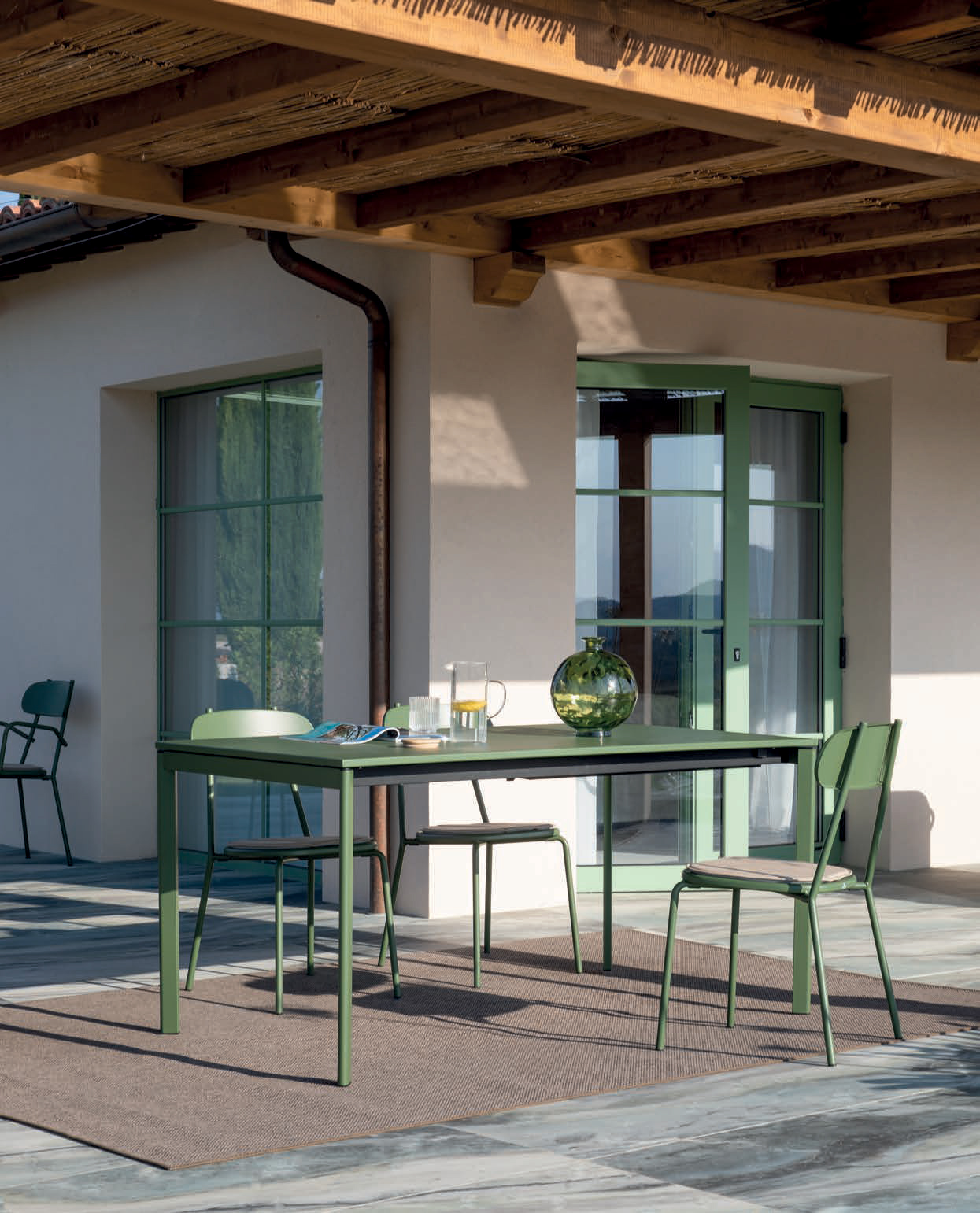
Modern Hotel Furniture Design Trends in 2025
December 12, 2025Estimated Read Time: 6 minutes
The hospitality industry is undergoing a design revolution in 2025, with hotel furniture trends shifting toward sustainability and the integration of technology. As hoteliers navigate an increasingly competitive landscape, furniture choices have become critical differentiators that directly impact guest satisfaction and brand positioning.
This comprehensive guide examines the most significant hotel furniture design trends shaping 2025. It features insights from leading designers and showcases how forward-thinking manufacturers like Beaufurn are meeting these evolving demands with contract-grade solutions built for the modern hospitality environment.
What You’ll Discover in This Trend Report:
- Biophilic design principles driving material selection and guest wellness outcomes
- Smart furniture integration, transforming guest experiences through seamless technology
- Sustainable manufacturing practices meeting corporate responsibility goals and LEED certification requirements
- Modular and multifunctional solutions maximizing space efficiency in urban properties
- Curved and organic forms replacing angular minimalism in lobby and guest room design
The Rise of Biophilic Design in Hotel Furniture
| Material | Guest/Design Benefit | Hospitality Value | Beaufurn Example |
|---|---|---|---|
| Light Oak / Walnut / Elm | Warmth, grounding, natural texture | Creates calm, wellness-focused spaces | 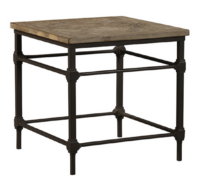
|
| Stone (Travertine, Granite, Marble) | Durability, tactile appeal | Luxury look with long lifespan | 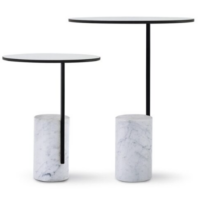
|
| Organic Textiles (Linen, Leather, Woven Fabrics) | Breathable, eco-friendly comfort | Aligns with sustainability goals | 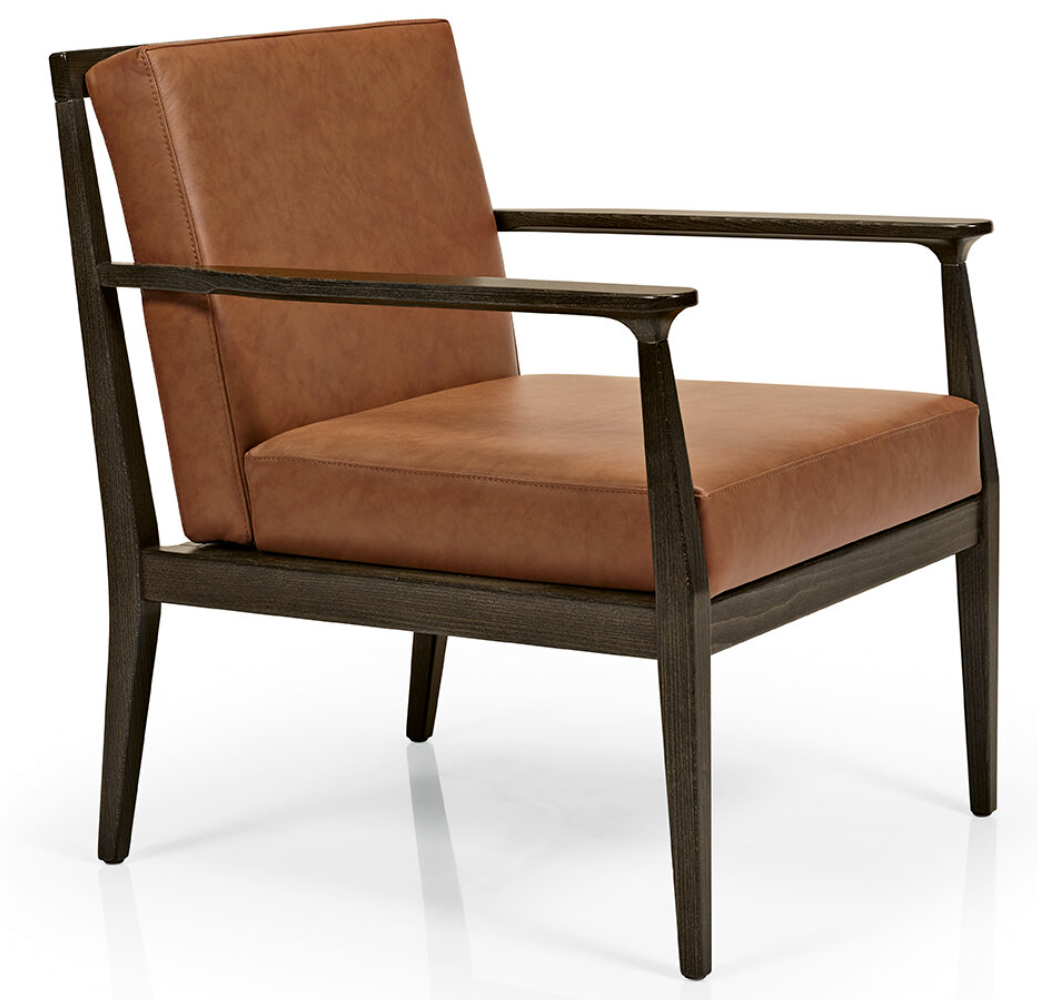
|
| Malacca Cane | Texture, visual interest | Lightweight, adaptable for indoors/outdoors | 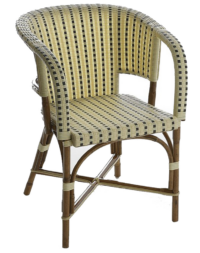
|
Biophilic design has evolved from a trend to a fundamental requirement in the 2025 hotel furniture selection process. This approach connects guests with natural elements through material choices, organic forms, and earth-inspired color palettes that promote psychological well-being and stress reduction.
Hotels are prioritizing furniture crafted from FSC-certified hardwoods, natural stone surfaces, and organic textiles that create an immediate sense of tranquility. Beaufurn’s approach exemplifies this trend by using responsibly sourced plywood and hardwood from certified forestry programs, combined with low-emission, water-based finishes that support both environmental goals and healthier indoor air quality.
Forward-thinking properties are incorporating pieces that feature organic curves and natural wood finishes that align with biophilic principles while maintaining the durability standards required for high-traffic environments.
Smart Furniture Integration: Where Technology Meets Hospitality
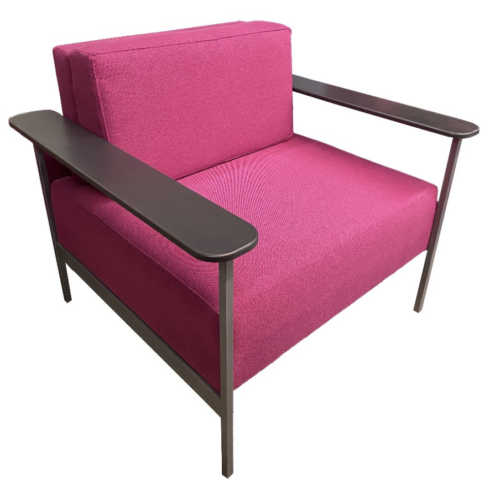
The integration of technology into hotel furniture has moved beyond convenience to become an expectation in 2025. Smart furniture solutions address the evolving needs of remote workers, digital nomads, and tech-savvy travelers who demand seamless connectivity and intuitive functionality.
Modern hotel furniture design incorporates wireless charging surfaces and integrated USB-C ports that remain invisible until activated. These features transform traditional pieces into multifunctional hubs that support both leisure and business travelers.
Designing for the “Work From Hotel” Guest
Properties are reimagining guest rooms with furniture that supports productivity without compromising relaxation. The permanent shift toward remote work has created a new category of hotel guest: the extended-stay remote worker who expects residential-level comfort combined with commercial-grade durability.
Many furniture companies are adopting a modular approach, enabling hotels to configure spaces that seamlessly transition from workspace to leisure environment. This is achieved with pieces like adjustable-height tables and ergonomic seating options, which cater to extended use.
Sustainable Manufacturing: The New Hospitality Standard
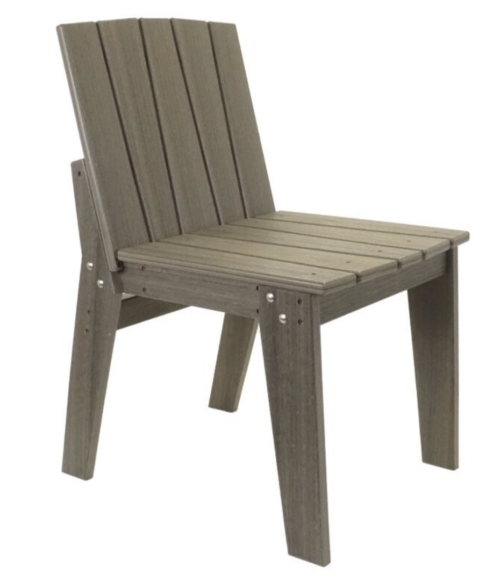
Sustainability has become a competitive necessity rather than a nice-to-have in hotel furniture selection. Properties pursuing LEED certification and corporate responsibility goals require manufacturers who demonstrate measurable environmental commitments through materials, processes, and supply chain transparency.
| Sustainability Practice | Example Application | Hospitality Advantage |
|---|---|---|
| Water-based finishes & adhesives | Low-VOC coatings, safe upholstery glue | Healthier indoor air, LEED alignment |
| No flame-retardant chemicals | Eco-friendly cushioning materials | Guest safety without harmful additives |
| Waste reduction in production | Recycled packaging, efficient processes | Lower costs, improved brand reputation |
| TSCA/LEED compliance | Certified materials across product lines | Easier qualification for green certifications |
Hotels investing in sustainable furniture report improved guest satisfaction scores, enhanced brand reputation, and qualification for green building certifications that attract corporate bookings and environmentally conscious travelers. The business case for sustainable furniture extends beyond environmental responsibility to operational benefits, including extended product lifespan and lower replacement costs.
Curved and Organic Forms: The End of Angular Minimalism
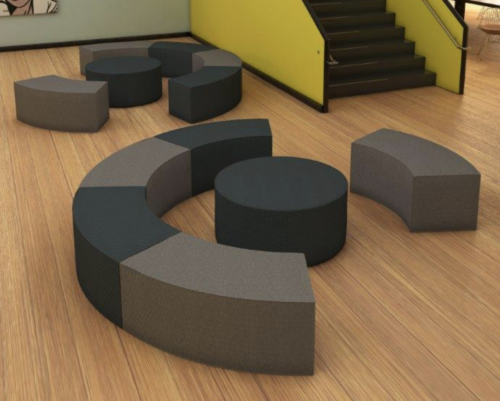
Hotel design in 2025 embraces curves, rounded edges, and organic shapes that create welcoming environments while improving safety and flow in guest spaces. This trend reflects a broader shift toward comfort-focused design that prioritizes human connection and well-being.
Curved furniture elements signal comfort and luxury while creating visual interest that encourages social interaction. These organic forms photograph beautifully for social media, providing hotels with authentic content that showcases their design sensibility.
Modular and Multifunctional Solutions: Maximizing Space Efficiency
Urban hotels face increasing pressure to maximize every square foot while providing flexible spaces that adapt to diverse guest needs. Modular furniture systems and multifunctional pieces offer solutions that improve both operational efficiency and guest satisfaction.
- Ottoman storage combining seating with concealed storage
- Convertible tables adjusting from coffee table to desk height
- Modular seating creates intimate conversations or large group gatherings
- Wall-mounted elements maximizing floor space in compact rooms
French Bistro Influence and Authentic European Styling
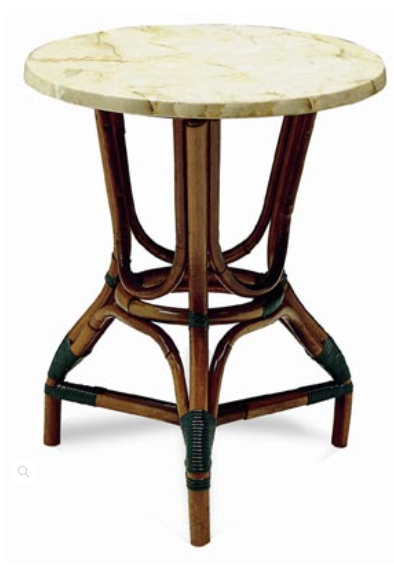
The French bistro aesthetic continues to shape hotel and restaurant design around the world. In dining areas, lobbies, and outdoor terraces, this style blends sophistication with approachability, drawing on the timeless charm of Parisian café culture. Woven patterns and graceful silhouettes create an inviting yet elegant atmosphere that feels both classic and contemporary.
What defines this look is its balance of authenticity and adaptability. Traditional European styling (such as chevron or damier weaves and café-style tables) can be seamlessly incorporated into modern hospitality spaces. Beyond its visual appeal, the bistro aesthetic emphasizes durability and a sense of community, making it ideal for high-traffic commercial settings.
By capturing these elements, the French bistro style offers designers and operators a way to bring European elegance into spaces that must also meet the functional demands of today’s hospitality environments.
Outdoor Furniture Evolution: Year-Round Revenue Spaces
Hotels are investing in outdoor spaces as revenue-generating areas rather than seasonal additions, requiring furniture that performs year-round while maintaining aesthetic appeal through diverse weather conditions.
Modern outdoor hotel furniture combines luxury aesthetics with commercial-grade weather resistance, allowing properties to create cohesive indoor-outdoor experiences that extend usable space and revenue opportunities.
Customization as Competitive Advantage
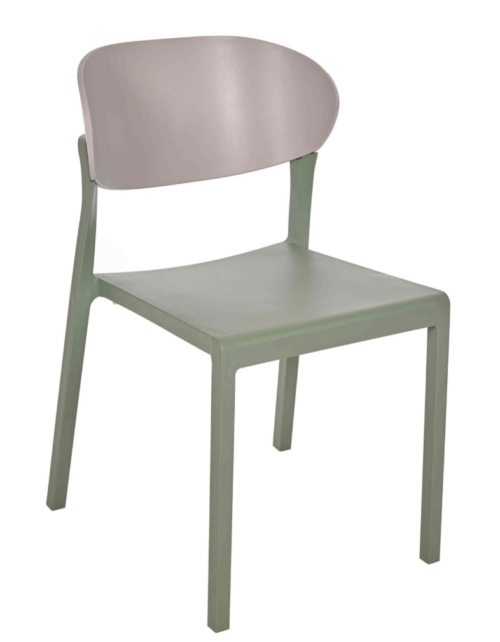
In an increasingly crowded hospitality market, hotels are using custom furniture as a differentiator that creates unique brand experiences impossible for competitors to replicate. Custom furniture enables hotels to create distinctive looks that reinforce their brand identity while optimizing pieces for their specific spatial and operational requirements.
Custom Design Flexibility
- Branded upholstery and exclusive finish palettes
- Dimensions tailored for traffic flow and seating capacity
- Modular configurations adaptable to events and daily operations
Operational & Aesthetic Benefits
- Instagram-worthy spaces that strengthen brand identity
- Durable materials selected for high-traffic areas
- Efficient maintenance through easy-clean finishes
The Domestic Manufacturing Advantage
Hotel furniture procurement in 2025 prioritizes suppliers who can demonstrate sustainability credentials, offer flexible customization options, and maintain reliable delivery timelines with clear communication throughout the project lifecycle.
For many hospitality projects, U.S.-based manufacturing provides a competitive advantage. Shortened lead times and stronger quality control make domestic production especially attractive for operators working under tight schedules or coordinating across multiple stakeholders.
Equally important is contract-grade quality. Furniture explicitly designed for hospitality environments differs from products intended for residential or general commercial use, ensuring that every piece can withstand the demands of high-traffic spaces while maintaining its design integrity.
Conclusion: Strategic Furniture Investment for 2025
In 2025, hotel furniture design is characterized by three key priorities: the use of sustainable materials, the integration of built-in technology, and layouts that enhance the guest experience. Properties that invest in contract-grade pieces from manufacturers like Beaufurn, which understand hospitality-specific requirements and offer meaningful customization, will create competitive advantages that directly translate to guest satisfaction and operational efficiency.
The trends outlined in this report reflect broader shifts in guest expectations and environmental consciousness that will continue shaping the hospitality industry. Hotels that incorporate biophilic design, smart technology integration, sustainable practices, and flexible furniture solutions, while maintaining a focus on durability and brand differentiation, will establish themselves as leaders in the evolving hospitality landscape.
Success in 2025 requires furniture partners who can deliver on style and scale—custom-built solutions that meet the demands of high-traffic spaces without compromising on design integrity or environmental responsibility.
Download Your Complete Hotel Furniture Inspiration Guide
Ready to explore how these trends can transform your property? Download Beaufurn’s comprehensive lookbook featuring contract-grade furniture solutions designed specifically for hospitality environments. This visual guide showcases real-world applications of the trends discussed in this article, complete with customization options, finish selections, and specification details.
Download the Beaufurn Hospitality Lookbook to discover how custom commercial furniture can elevate your guest experience while meeting the operational demands of modern hospitality.
For project consultation and custom furniture specification support, contact Beaufurn and request a quote to discuss your property’s specific requirements.